
Teaneck Previous Residents by Era
The backward trail begins with the parcel, not a name alone. Teaneck's assessor and map tools can identify a current block and lot, while the Bergen land-record index can connect that legal description to recorded instruments. Older periods require a shift in terminology and source, because Teaneck did not exist under that municipal name before 1895.
| Source | Years it covers | Where held | What it can show |
|---|---|---|---|
| Bergen online land-record index | 1970 to present | Bergen County land records | Party, legal town, block, lot, document type, book/page/file, date, and linked documents where available. |
| County deed books and local map material | 1895-1969 | County, atlas, local-history, and assessor sources | Early Teaneck descriptions, subdivisions, and address context. |
| State Archives deed guidance | 1715-1901 | New Jersey State Archives guide | Bergen County Clerk deed books A-Z and related volumes. |
| Directories and telephone books | Selected documented editions | Library and historical collections | Subscriber, household contact, address, or business heading, depending on the edition. |
| Census and local-history sources | Period-dependent | Library databases and archives | A dated household or place context that can support, not replace, the deed trail. |
Use the source closest to the period in question. A modern parcel label can anchor the search, but an early tract may need a book, map, farm, subdivision, or predecessor-township description before it can be connected back to the same ground.
Teaneck Past Residents and Block Lots
For a Teaneck address, record the current legal town, block, lot, and qualifier before opening the county index. The municipal property-card route and the linked Bergen assessment portal support searches by location, owner name, block, lot, or qualifier. The parcel identifier is often the steadier bridge across spelling changes and old street labels.
The County Clerk's search help documents useful controls beyond a plain name search: party, document type, date, legal fields, map, book/page, clerk file number, and linked documents. Try verified spelling variants and use the legal description as a separate route. A candidate instrument deserves a note even when it is not an apparent transfer, since mortgages, assignments, releases, tax-sale certificates, liens, and subdivision maps can explain a break in the chain.
The Bergen land-record search help shows the available search approaches.
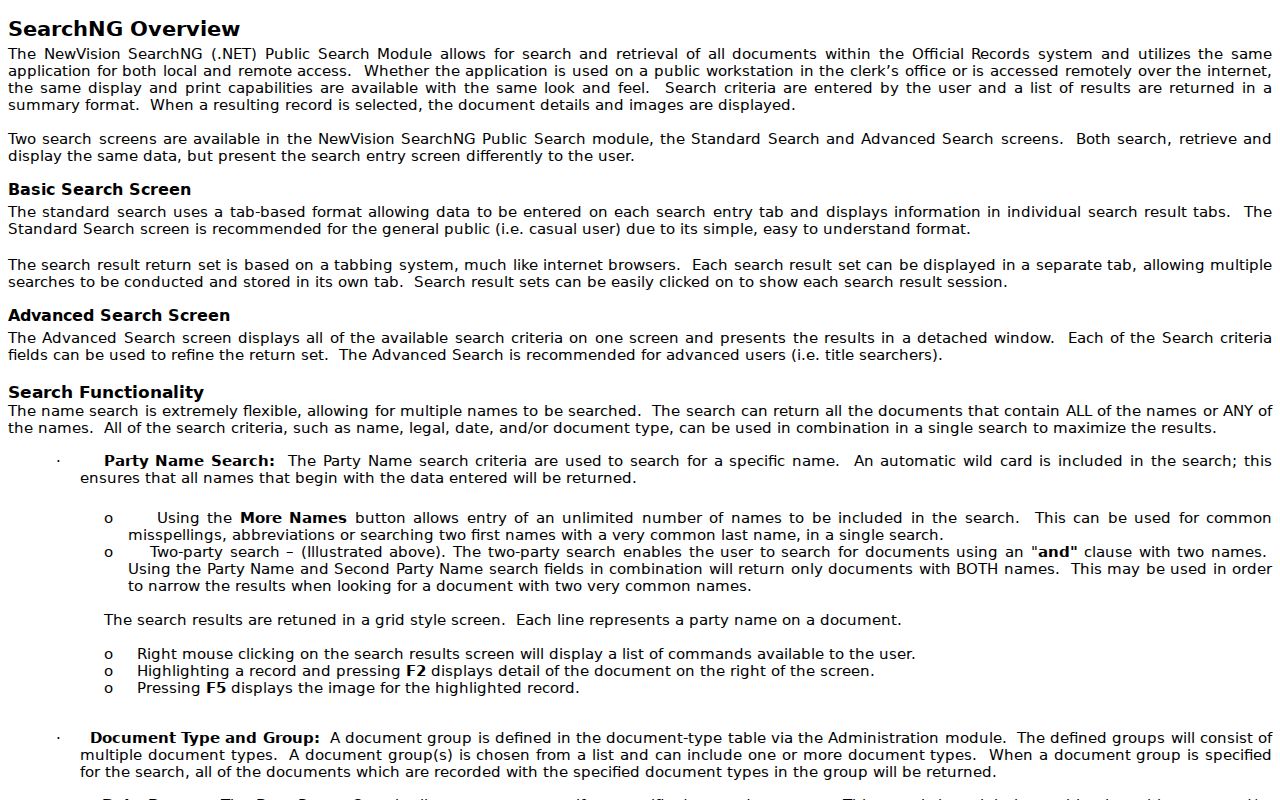
Documenting the exact field used makes it much easier to revisit a result after a name, address, or map label changes.
Teaneck Previous Residents Through Deeds
Ownership and residence are different record roles, so a deed chain starts with ownership but does not settle who occupied an address. Begin with the current parcel record, then follow each recorded transfer from the present toward the older grantor. The online Bergen index starts on January 1, 1970; before that point, move to historical books, maps, archival guidance, and the Clerk's older material rather than assuming the online search is complete.
- Copy the current address, legal town, block, lot, qualifier, and any source date from the property record.
- Search the current holder as a grantee to locate the instrument that brought the parcel into that name.
- Record the seller, document type, date, book/page or file reference, and legal description before moving backward.
- Search that seller as a grantee to locate an earlier acquisition, while comparing block/lot and older descriptions.
- Repeat the sequence, then shift to historical records when the online period ends or a predecessor term appears.
The Bergen County Clerk's land-record information describes a records office with more than three centuries of material. Public copying is listed at 7 cents per page, and staff do not perform the search for the requester, so arrive with a defined name, date, legal description, or book/page lead.
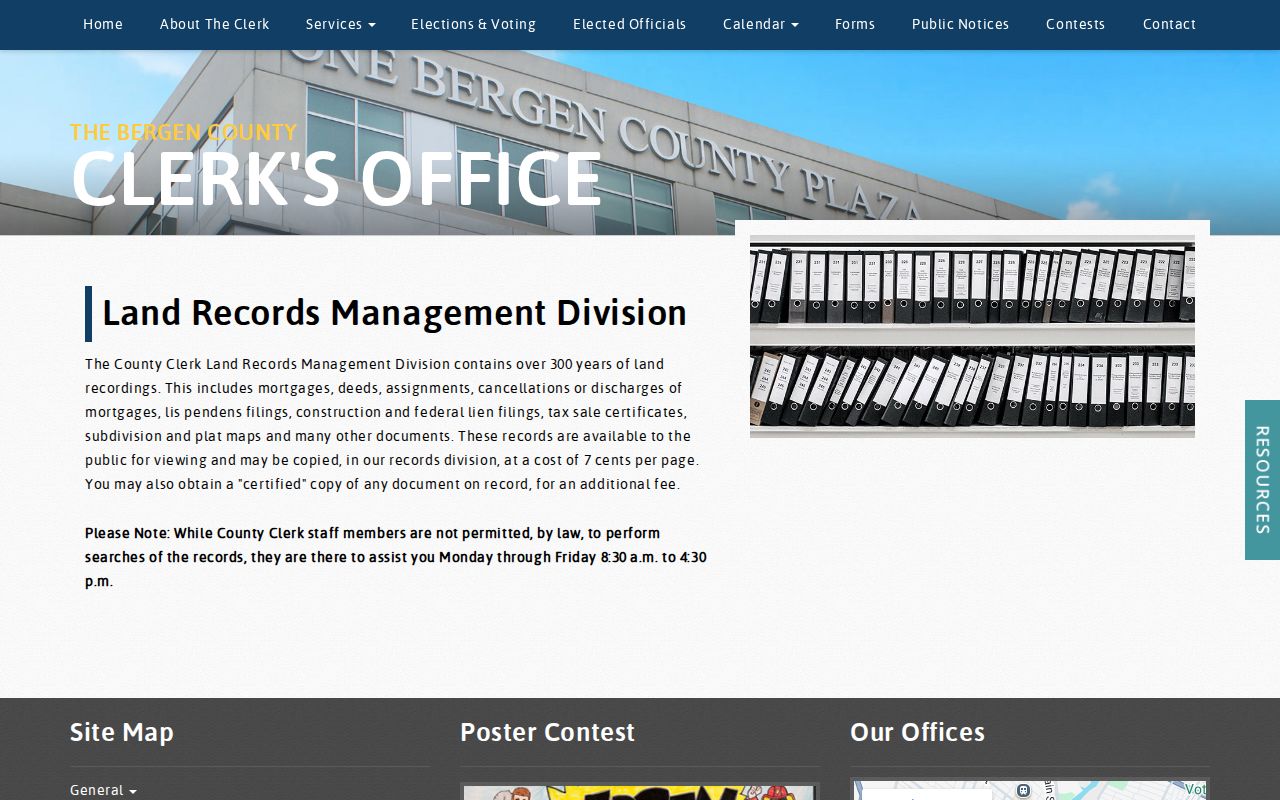
The office is the source for recorded material, while the researcher's notes keep the chain from becoming a list of disconnected names.
- Grantor and grantee
- The grantor transfers an interest in an instrument; the grantee receives that interest. Record the role, not only the name.
- Chain of title
- A documented sequence of instruments connecting one recorded interest to an earlier one.
- Legal description
- The parcel wording in the record, such as block and lot or an older tract description. It often survives changes in street naming.
- Linked document
- An instrument connected by the county index to another filing. It can supply a missing date, reference, or relationship between records.
Teaneck Previous Residents Before 1895
Older deeds may not say Teaneck at all. The municipality was created in 1895 from parts of Englewood and Ridgefield townships and portions of Bogota and Leonia. For a property history that crosses that date, search the predecessor place names alongside the old legal description. A record indexed under Englewood, Ridgefield, Bogota, or Leonia can be the correct historical lead even though the address now uses Teaneck.
The New Jersey State Archives guide lists Bergen County Clerk deeds from 1715 through 1901, including books A-Z and related volumes. That coverage describes the archival route, not a promise that every instrument can be found by one modern word search. Use maps, tax lists, probate, directories, newspapers, and historical-society material to corroborate a proposed connection.
The New Jersey State Archives genealogy guide explains the broader historical search setting.
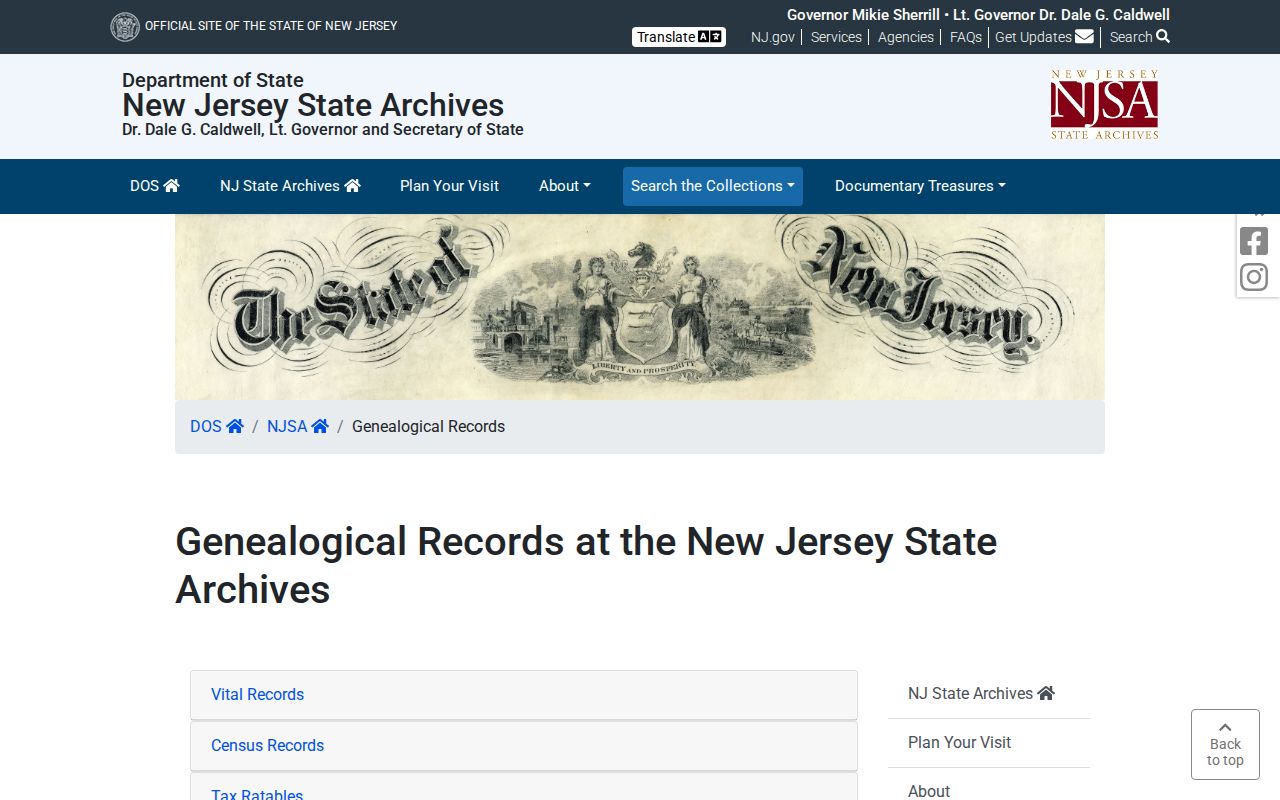
Predecessor terms belong in the search log, because they explain why a valid early record may not appear under a current municipal name.
Teaneck Past Residents and Former Streets
An address must be read in the language of its period. Teaneck sources identify Pomander Walk as the later name for Riverside Avenue on the west and Kipp Avenue on the east; Palisade Avenue as Station Street; Overlook Avenue as Parkway; John Street South as Orchard Court; Queen Anne Road as Westfield Avenue; and Teaneck Road north of Cedar Lane as Washington Avenue. Search both the original printed form and the later form.
The 1934 engineering report adds another useful comparison: north numbering was governed by the Ridgefield Park boundary, while east-west numbering used Teaneck Road. The Engineering Department assigned and corrected house numbers. An odd-looking historic number therefore merits a map, former-name, and block/lot check before being discarded as a bad match.
The 1930 Historical Sketch of Teaneck is a local-history companion for older places and families.
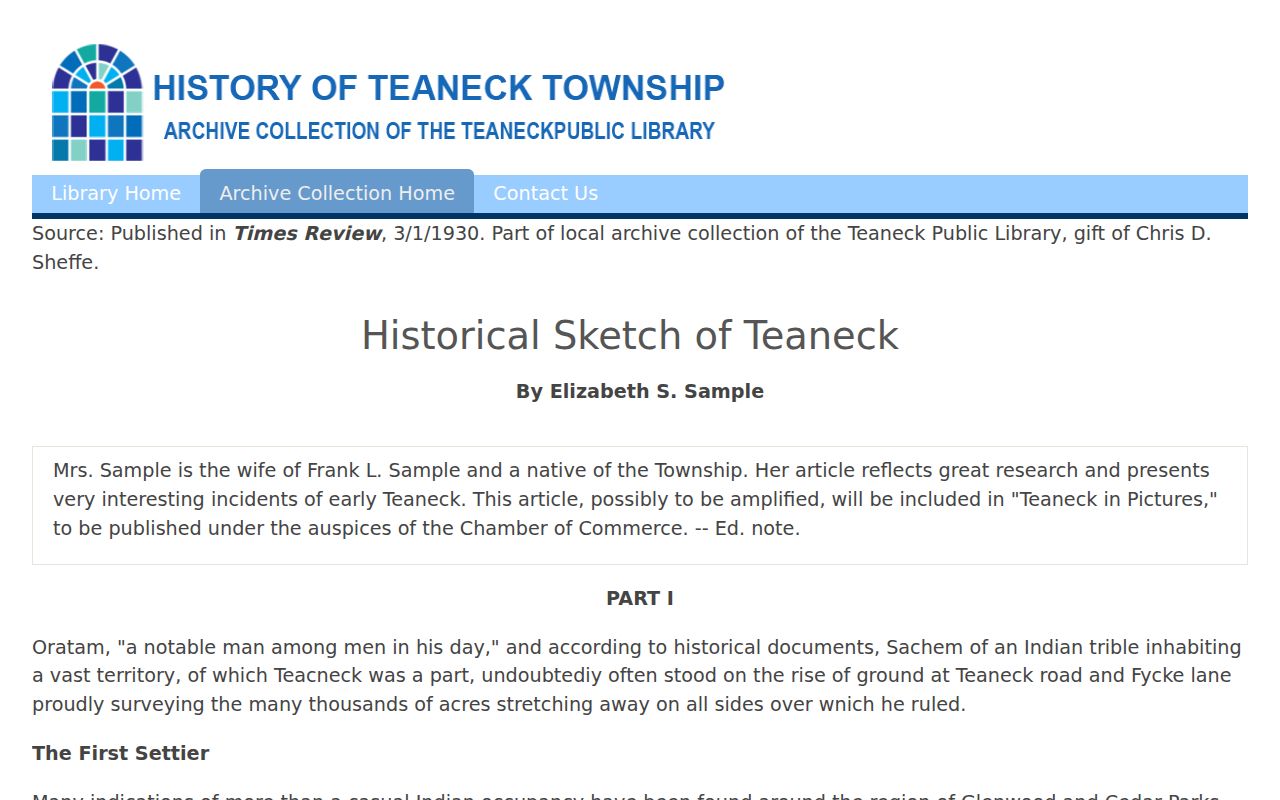
Preserve the printed address and the normalized search form in separate fields so the later form never overwrites the historical evidence.
Reading a Teaneck Address Across Records
A clean address history has two layers: what a source actually prints and the search form used to compare it with another record. Keep them side by side. This method helps when a deed relies on lots or a subdivision name while a directory uses a street name, and it makes later corrections visible instead of silently changing the past record.
| Printed address | Copy the street, number, directional term, punctuation, and old name exactly as it appears. |
|---|---|
| Normalized form | Use the current official street spelling only as a separate search aid. |
| Parcel anchor | Retain legal town, block, lot, qualifier, map sheet, or older tract description when available. |
| Record role | Label whether the source names a deed party, assessor entry, subscriber, household contact, or archival subject. |
| Confidence note | State which independent source supports the connection and what remains unconfirmed. |
This comparison also avoids a common mistake: treating an assessor name, a deed grantee, and a person in a telephone listing as if each source makes the same claim.
Teaneck Past Households in Directories
Deeds are only one layer of the address story. The documented directory and telephone holdings can identify a subscriber, a household contact, a street or address, or a business heading in a particular edition. They may omit many people at the address, including children, boarders, people without a listed number, and people who moved between editions. Treat the listing as a dated lead, not a full roll.
The verified holdings include Richmond's Hackensack editions for 1926 and 1928, Polk's Hackensack edition for 1931, Northern New Jersey telephone material for 1930-31, Bergen-Passaic for 1948, selected Bergen County white pages from the 1960s through the 1980s, and selected later business editions. The broader directory run has gaps, and no complete scan-level Teaneck run was verified in the research.
For the collection details and entry-reading method, see the Teaneck City Directory page. Compare neighboring editions before deciding that a name appeared, vanished, or moved.
Teaneck Census Pairing for Past Residents
Use the household layer after the parcel and deed trail has produced a time range. A census schedule and a nearby directory year can test whether the name, address, household members, and street form are consistent. They should be logged as separate sources because one can describe a household while the other may be a subscriber or directory contact.
- Choose the closest documented directory or telephone edition to the period suggested by the deed chain.
- Copy the printed name, address, edition title, scope, and page before searching another source.
- Use the same name and both street forms to locate a suitable census or library-database lead.
- Compare only fields that both sources can support, such as date, place, surname spelling, and address context.
- Mark a mismatch as unresolved until another dated source explains it.
Local oral histories, manager reports, yearbooks, and the 1948 Your Town review can add place context, but they do not replace a contemporaneous household record.
Teaneck Property Alert Boundaries
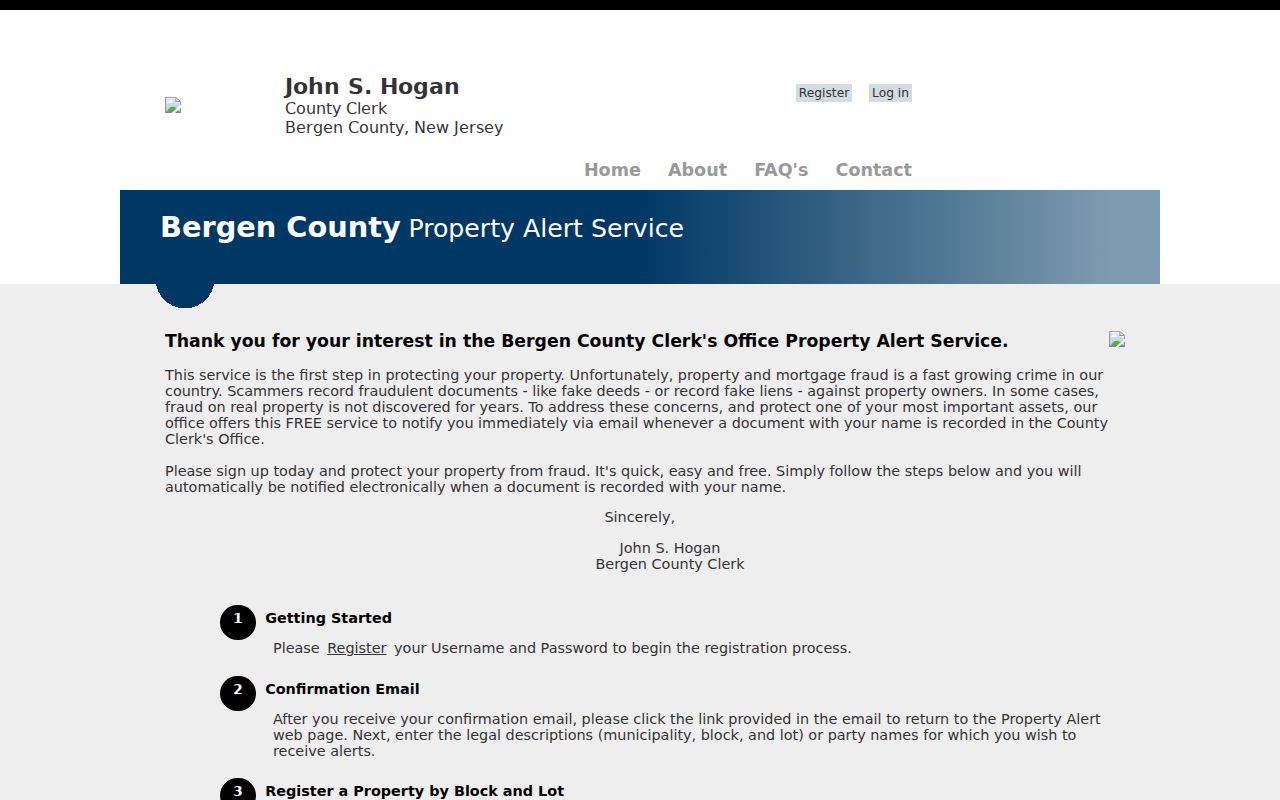
Bergen Property Alert is a separate fraud-notification service, not a way to reconstruct a property history. It sends free email alerts for documents recorded against a municipality and block/lot or a party name. Registration requires an email address, name, and password. Each meaningful party-name variant must be registered separately, and the county says verification generally takes about 5-7 business days.
An alert does not prevent a filing and may not capture a document that lacks the relevant legal description or party name. It is most useful as a current monitoring tool after the historical research has already established the parcel anchor and relevant name variants.
The Bergen Property Alert portal is the county entry point for registration information.
Keep notifications separate from the historic timeline, since an alert reports a future recording event rather than an answer about an older address.
Limits of Teaneck Previous Residents
Past residents can be suggested by several records without being conclusively identified by any single one. A recorded owner may not be the person who lived there, a subscriber may be only one contact, and an archive mention may concern a place rather than a full household. The strongest result keeps the deed role, address form, date, and independent comparison visible together.
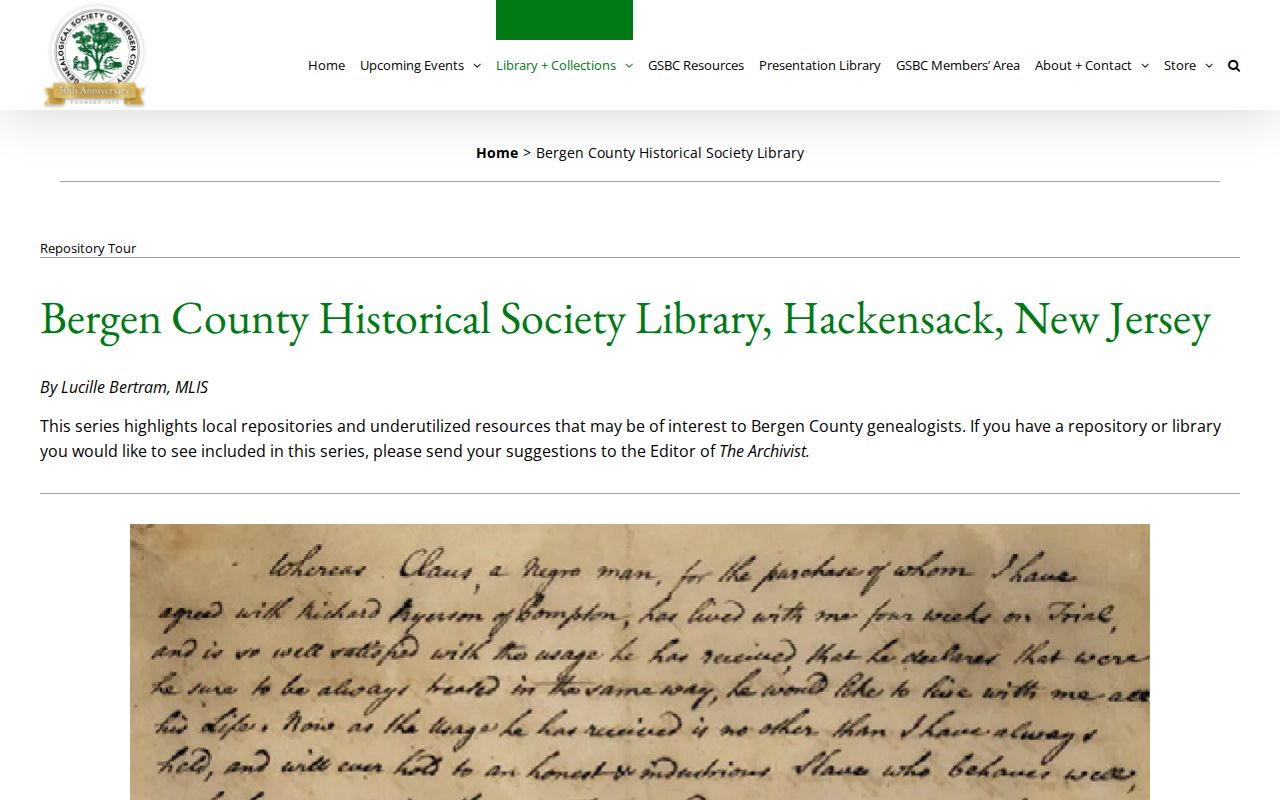
The Bergen County Historical Society and Genealogical Society of Bergen County hold family genealogies, church and cemetery material, Bibles, diaries, manuscripts, maps, photos, deed material, tax lists, and related local collections. Those sources can test an address story while preserving the difference between a family record, a parcel record, and an archival description.
The Genealogical Society of Bergen County holdings description outlines this local research material.
Use this material for house history, family history, and personal civic curiosity. Do not use a record trail to track, harass, or harm a living person.